


How to Build Demand Before Your Peak Selling Season
A peak sales period—whether driven by a launch, festival, admissions cycle or trade show—cannot be built in its final week. Brands that wait compete when media, inventory and buyer interest are already under pressure.
The better approach is to build familiarity early. A product catalog built for lead capture gives buyers a place to compare options and ask questions before urgency arrives. The goal is a brand that feels understandable and easy to choose when the decision window opens.
Begin With a Demand Calendar
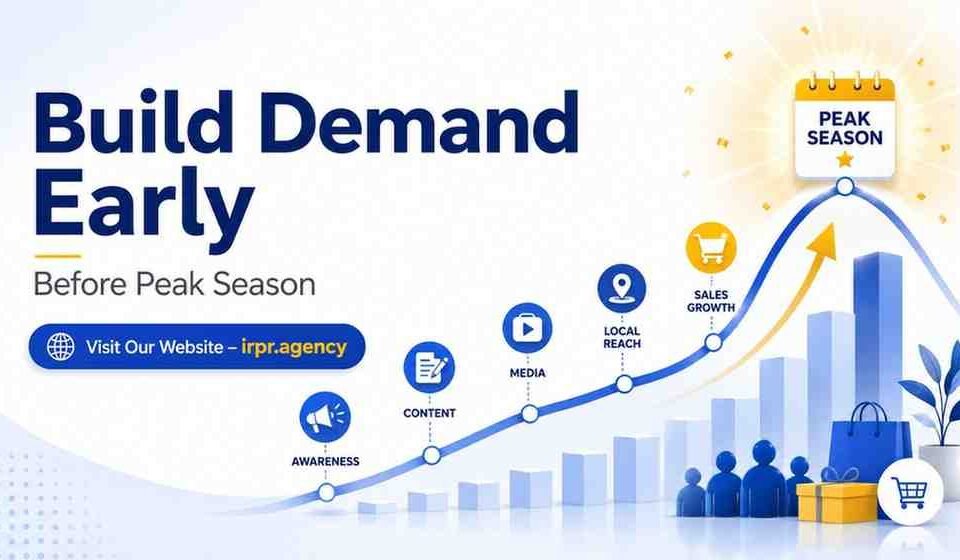
Identify the moments that change buyer behaviour: product availability, festival shopping, an industry event, procurement cycles, local holidays or a budget deadline. Work backwards from that date and decide what audiences need at each stage.
For B2B teams, a conference-led demand programme can create an early reason to gather customers and partners around the category. For high-consideration offers, a walkthrough-led video workflow makes locations, features or complex choices easier to grasp before a sales conversation. Nonprofits can apply the same discipline through donor-nurture email journeys, gradually moving awareness towards a credible reason to act.
Build Recognition Before Asking for Action
Early communication should reduce uncertainty, not force a discount. Explain the problem, introduce the occasion and establish proof. As the peak approaches, shift towards availability, urgency and a clear conversion route.
A practical build-up includes:
- An awareness message, proof-led middle phase and final action.
- Checked stock, landing pages, sales responses and delivery capacity.
- One campaign idea adapted for each channel, audience and language.
Match Media to the Moment
Different media should perform different jobs. A broad TV commercial campaign can establish familiarity, while ZEE5 video ads can keep the story visible to streaming audiences closer to the buying window. A front-page jacket placement may suit a major announcement, but only when it supports a wider conversion path.
Live settings should also be planned for reuse. A 3D trade-show animation can attract attention at the stand, then become website, sales and follow-up content. A full-funnel regional package can connect local awareness to enquiry across several touchpoints.
Localise the Final Mile
As buying intent rises, market relevance matters more. Hindi media sector planning helps teams choose media around buying behaviour, while a Marathi festival sponsorship can align a campaign with a timely regional moment.
For consumer brands, demand planning must also reach operations. Hyperlocal inventory planning recognises that the right product, pack or offer can differ by neighbourhood. When messaging, availability and follow-up arrive together, a peak season becomes an opportunity to create demand that lasts beyond it.