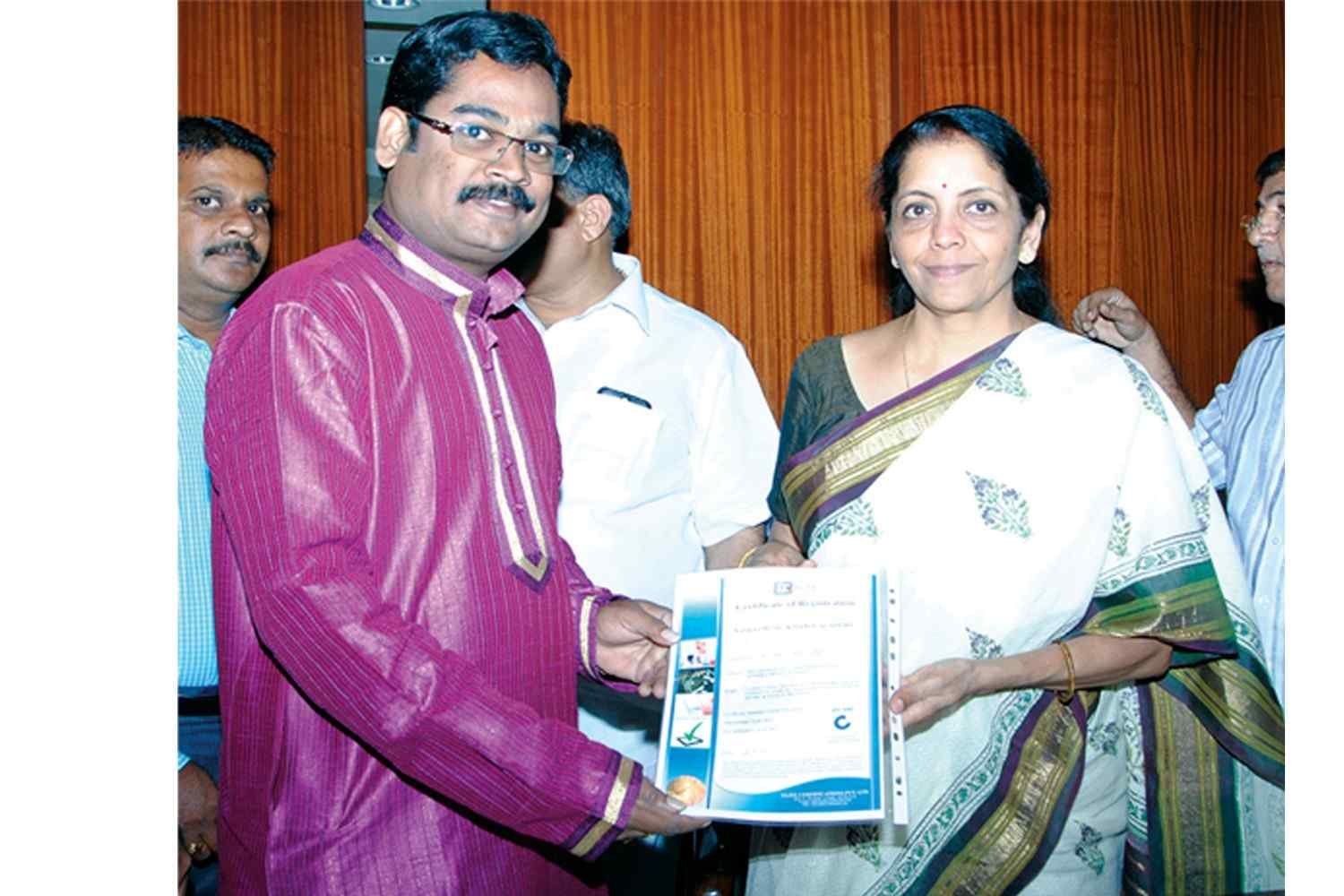




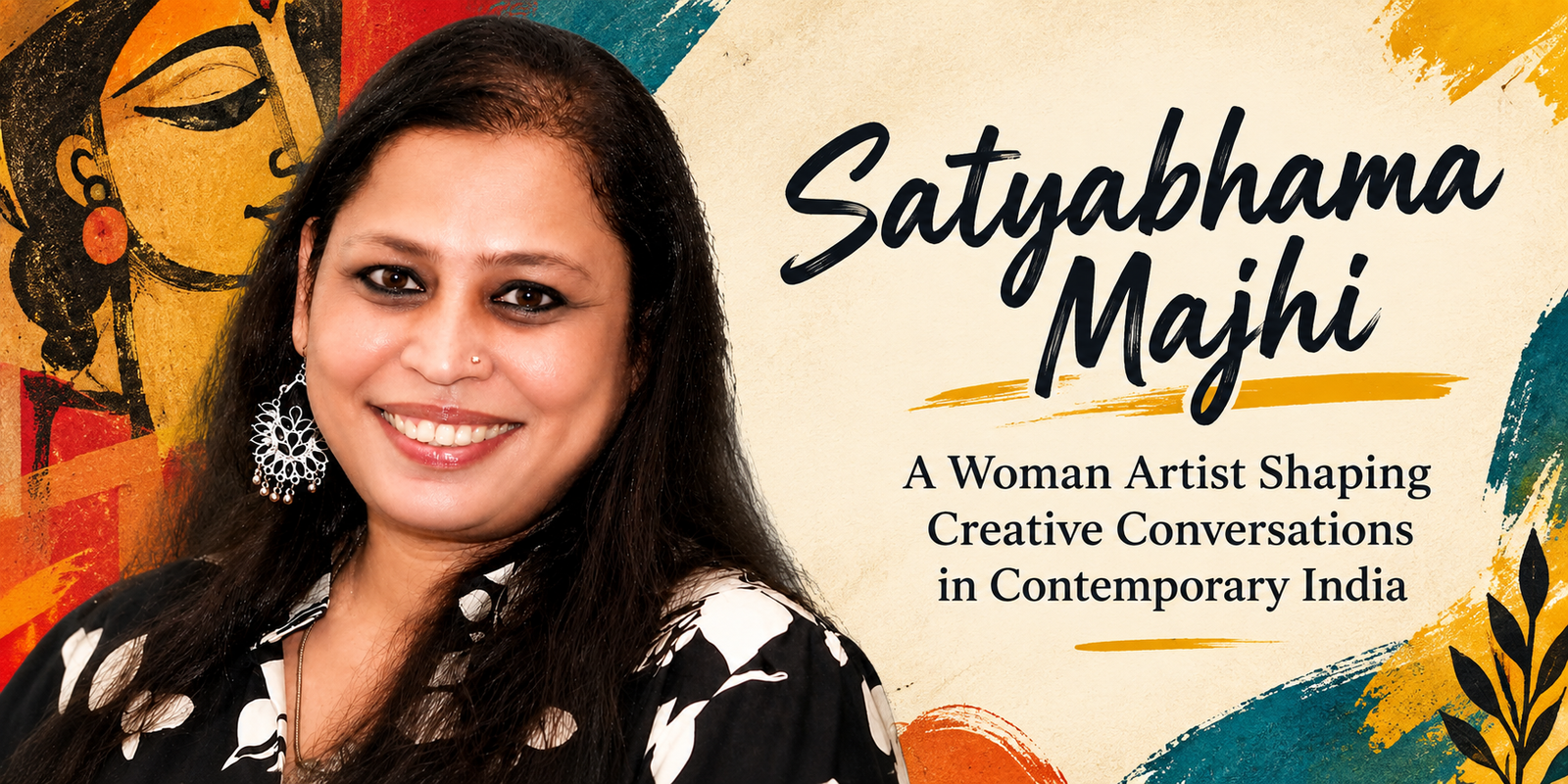
Satyabhama Majhi: Art, Community and the Power of Collective Creativity
Art is often imagined as an individual activity in which an artist works alone in a studio to create paintings, sculptures or installations. While individual creativity remains important, contemporary art has increasingly expanded beyond this traditional model. Many artists now work directly with communities, creating spaces for participation, dialogue and collective expression.
For Indian contemporary artist Satyabhama Majhi, community engagement has become an important dimension of her artistic practice.
Based in Bhubaneswar, Odisha, Majhi is a visual artist, curator, social activist and community art practitioner. Her multidisciplinary practice includes painting, sculpture, installation, photography, mixed media and public art. Alongside these forms, she has developed a strong interest in participatory projects involving children, rural communities, indigenous groups, artists and urban residents.
Her work demonstrates that art can be more than an individual object. It can also become a shared process.
Understanding Community Art
Community art is based on participation.
Instead of treating people only as audiences who view completed artworks, community-based practice invites participants to become part of the creative process.
People may contribute memories, stories, skills, materials, ideas or visual expressions.
The final project can therefore reflect multiple perspectives.
This approach changes the traditional relationship between artist and audience.
The artist may become a facilitator, listener and collaborator.
Majhi’s work reflects this broader understanding of artistic practice.
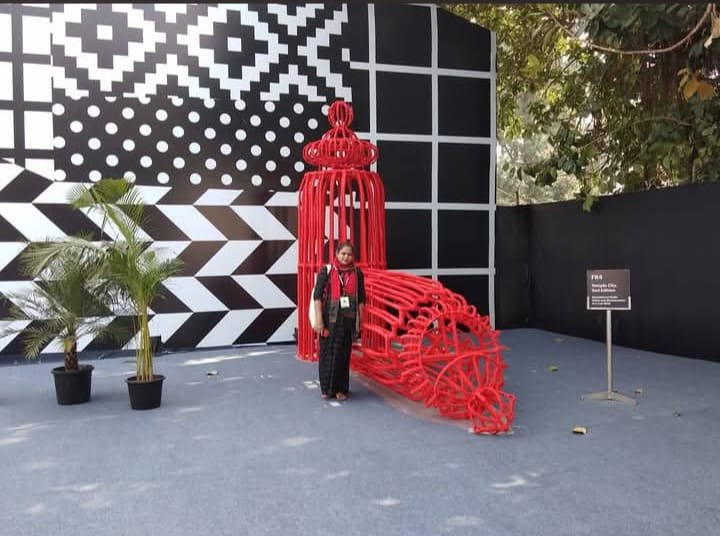
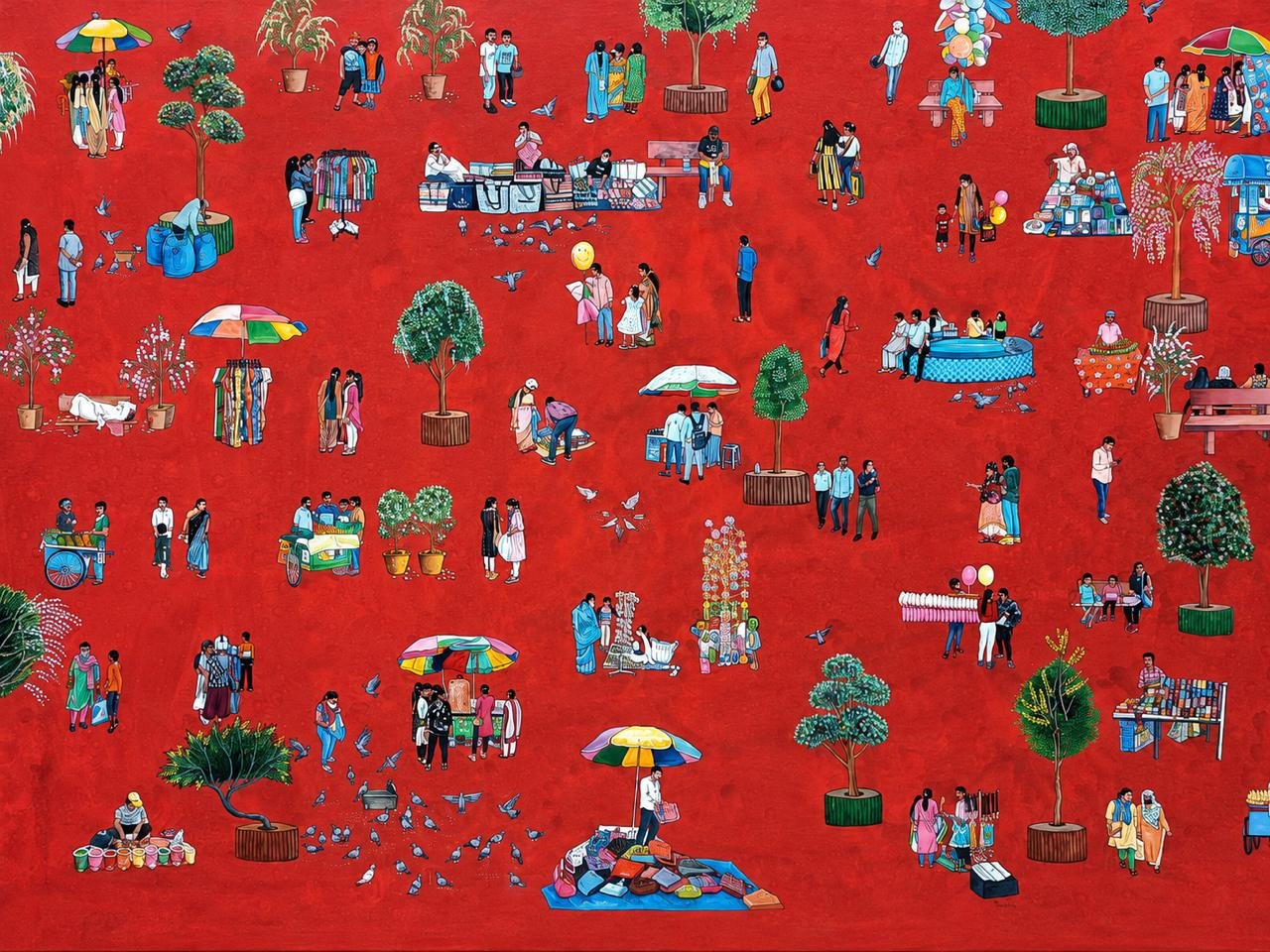
Art as a Shared Experience
One of the most important characteristics of community art is the experience created during the process.
The final artwork may be important, but participation itself also has value.
When people gather to paint, draw, discuss or create together, they exchange ideas and experiences.
A workshop can become a space where people who might not normally interact begin to communicate.
Art provides a common language.
Majhi’s community-based projects have explored this possibility through engagement with different groups and environments.
Working With Different Communities
Majhi’s artistic journey has involved interaction with a wide range of communities.
These include children, schools, rural populations, urban neighbourhoods, indigenous communities, artists and artisans.
Each community brings different experiences and forms of knowledge.
Working with children may involve imagination and personal observation. Working with artisans can involve traditional material knowledge. Working with indigenous communities can introduce different relationships with landscape, culture and livelihood.
This diversity has contributed to the multidimensional nature of Majhi’s practice.
Listening Before Creating
A meaningful community-art project requires more than simply arriving with a predetermined artistic idea.
Listening is essential.
People understand their own communities, histories and environments in ways that outsiders may not immediately recognise.
Majhi’s long-term engagement with communities reflects the importance of observation and dialogue.
By spending time in different environments, an artist can develop a deeper understanding of the experiences that shape people’s lives.
This process can influence artistic concepts while also encouraging greater respect for cultural knowledge.
Community Knowledge as Creative Knowledge
One of the important principles behind participatory art is the recognition that creativity exists everywhere.
Professional artists are not the only people with visual knowledge or imagination.
A craftsperson may understand materials through years of experience. A child may create unusual images based on personal memory. An elder may carry stories connected with local history.
These forms of knowledge can enrich artistic practice.
Majhi’s community-oriented work demonstrates an openness to learning from participants.
The Dongaria Kondh Experience
Majhi’s long-term engagement with the Dongaria Kondh community of the Niyamgiri region is an important example of her community-based approach.
Her interaction with the community has involved observation of cultural practices, livelihood patterns, visual traditions and relationships with the natural environment.
The experience influenced her artistic understanding of landscape, symbolism and traditional knowledge.
However, the relationship between artist and community also raises questions of responsibility.
Community engagement requires sensitivity and respect.
Cultural traditions should not simply be treated as material for artistic consumption.
Long-term interaction and dialogue can create a more meaningful exchange.
Art and Indigenous Knowledge
Indigenous communities often maintain distinctive systems of knowledge connected with land, materials, agriculture, spirituality and cultural traditions.
For contemporary artists, these knowledge systems can offer important perspectives.
Majhi’s engagement with indigenous cultural environments has contributed to her exploration of natural materials and visual forms.
Her practice demonstrates how contemporary art can learn from traditional knowledge while encouraging dialogue between different creative worlds.
Working With Children
Children form another important part of Majhi’s community-oriented practice.
Over approximately fifteen years, she has been involved in art education and creative workshops.
Her approach encourages children to draw from observation, memory and personal experience.
This method gives young participants an active role.
Rather than simply copying images provided by an adult, children are encouraged to develop their own visual ideas.
Their everyday lives become sources of creativity.
Creativity as Empowerment
Participation in artistic activities can create a sense of confidence.
When people realise that their ideas and experiences have value, they may become more willing to express themselves.
For children, this can support imagination and independent thinking.
For communities, creative participation can provide opportunities to share local stories and cultural experiences.
Majhi’s approach demonstrates how art can function as a form of empowerment.
The goal is not always to produce a perfect artwork.
Sometimes the value lies in the process of expression itself.
Art in Rural and Urban Environments
Community engagement takes different forms in different locations.
Rural communities may have strong relationships with land, agriculture and traditional occupations.
Urban communities may experience rapid development, migration and changing public spaces.
Majhi’s practice has moved between these environments.
This gives her work a broader social perspective.
She is able to observe how communities develop different relationships with place and culture.
Participation and Public Art
Community participation can also play an important role in public-art projects.
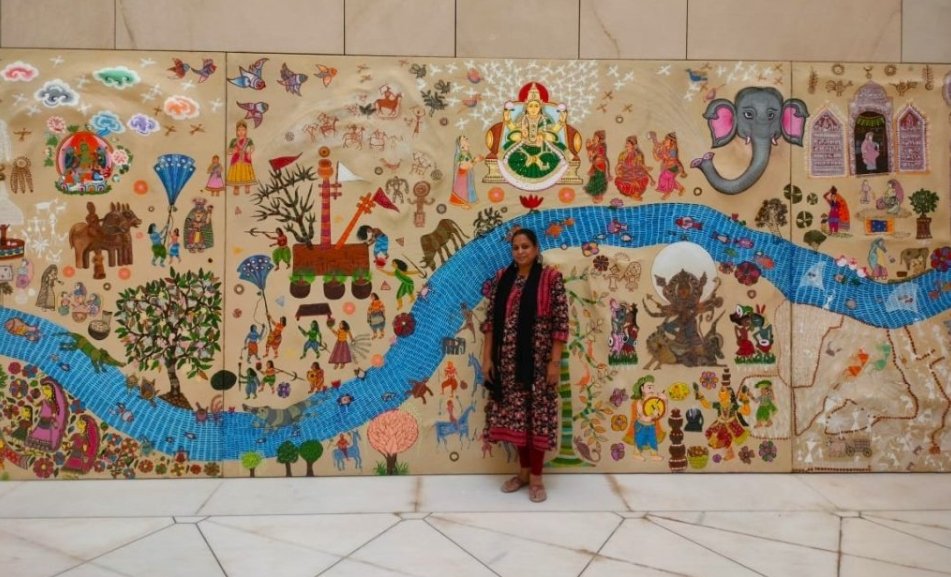
When people contribute to a mural or shared creative activity, they may develop a stronger connection with the finished work.
The artwork becomes part of collective identity.
Majhi’s experience with public art and community projects brings these approaches together.
A wall or public space can become a platform for shared creativity.
Building Relationships Through Art
One of the strongest aspects of community-based practice is its ability to create relationships.
Artists meet communities.
Children interact with educators.
Traditional practitioners exchange ideas with contemporary artists.
Participants discover new ways of understanding their own experiences.
These relationships can continue beyond the individual project.
Art becomes a reason for people to come together.
Community Art and Cultural Preservation
Creative participation can also contribute to cultural preservation.
Communities may use art to express stories, traditions, festivals and environmental knowledge.
When these experiences are represented visually, they can become accessible to younger generations.
Majhi’s interest in cultural memory connects closely with this idea.
Her work demonstrates that preservation does not always mean keeping traditions unchanged.
Culture can also survive through reinterpretation.
New generations can adapt older experiences into contemporary forms.
Collaboration Instead of Hierarchy
Traditional art systems sometimes create a hierarchy between professional artists and audiences.
Community art challenges this structure.
Participants are not simply passive viewers.
They can contribute to the creative process.
Majhi’s work reflects this collaborative philosophy.
The artist may still provide guidance and artistic direction, but creativity can emerge through interaction.
This makes the process more democratic.
The Role of the Artist as Facilitator
Community-based art requires the artist to take on additional responsibilities.
The artist must communicate clearly, understand participants and create an environment where people feel comfortable expressing themselves.
Majhi’s experience as an educator, curator and cultural practitioner supports this role.
She moves between different responsibilities depending on the project.
Sometimes she is the creator.
Sometimes she is the teacher.
Sometimes she is the organiser.
Sometimes she is the listener.
Art and Social Connection
Modern life can sometimes create isolation.
People may live close to one another while having limited opportunities for meaningful interaction.
Community art can provide a shared activity.
People work together toward a common creative goal.
This process can strengthen social connections.
Majhi’s community practice reflects the belief that art can contribute to social interaction as well as individual expression.
Creating Inclusive Cultural Spaces
Community-based art can make cultural participation more inclusive.
People who may not feel comfortable entering formal galleries or art institutions can participate in workshops and local projects.
This expands access to creativity.
Majhi’s work across schools, communities and public spaces reflects this inclusive approach.
Art becomes less dependent on formal institutions and more connected with everyday environments.
Challenges of Community-Based Practice
Community art also presents challenges.
Different participants may have different expectations.
Projects require time, trust and communication.
An artist must avoid imposing ideas without understanding the local context.
Long-term engagement is often more meaningful than brief interaction.
Majhi’s sustained involvement with communities demonstrates the importance of commitment in participatory practice.
A Broader Definition of Artistic Success
In conventional art practice, success may be measured through exhibitions, sales or institutional recognition.
Community art introduces additional ways of thinking about success.
Did participants feel involved?
Did new conversations begin?
Did children gain confidence?
Did the project create stronger awareness of cultural or environmental issues?
These outcomes may be difficult to measure, but they are important.
Majhi’s practice demonstrates that artistic value can exist beyond the physical artwork.
Art as a Social Process
The central idea connecting Majhi’s community work is the understanding of art as a social process.
Creativity does not exist separately from society.
Artists are influenced by people, environments, histories and cultures.
By working directly with communities, Majhi brings these relationships into the creative process.
Her practice becomes a conversation rather than a monologue.
Conclusion
Satyabhama Majhi’s community-based artistic practice demonstrates the power of collective creativity.
Through engagement with children, rural communities, indigenous groups, artists, artisans and urban residents, she has expanded the role of art beyond individual studio production.
Her work encourages participation, dialogue and cultural exchange.
It recognises that communities possess valuable experiences and forms of knowledge that can contribute to creative practice.
From art education and workshops to public projects and cultural initiatives, Majhi’s journey reflects a belief that creativity becomes stronger when it is shared.
Her work also demonstrates the evolving role of the contemporary artist.
The artist can be a painter and sculptor, but also a teacher, curator, organiser, listener and facilitator.
By bringing people together through creative processes, Satyabhama Majhi continues to demonstrate that art has the power not only to produce images and objects but also to create relationships, conversations and communities.