

.jpeg "Apple Watch Repair in Noida – iWatch Service Centre and Repair Assistance")
When Classical Art Met Leadership: The Vision Behind Nataraj Music and Dance Academy
The preservation of Indian classical arts requires more than talented performers. It also depends on institutions that provide training, organise performances, create opportunities for young artistes and maintain a connection between traditional knowledge and contemporary audiences. For Vikram Kumar B R, widely known as Bathina Vikram Goud, this understanding led to the establishment of the Nataraj Music and Dance Academy (NMDA).
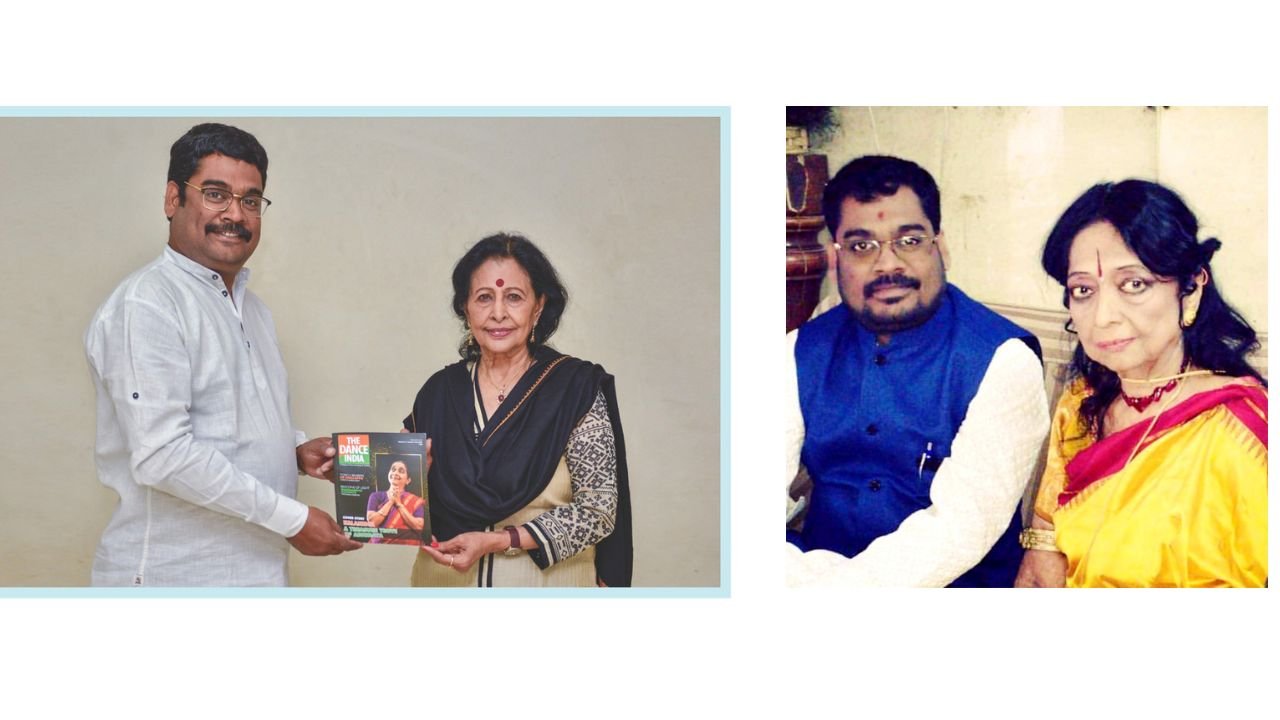
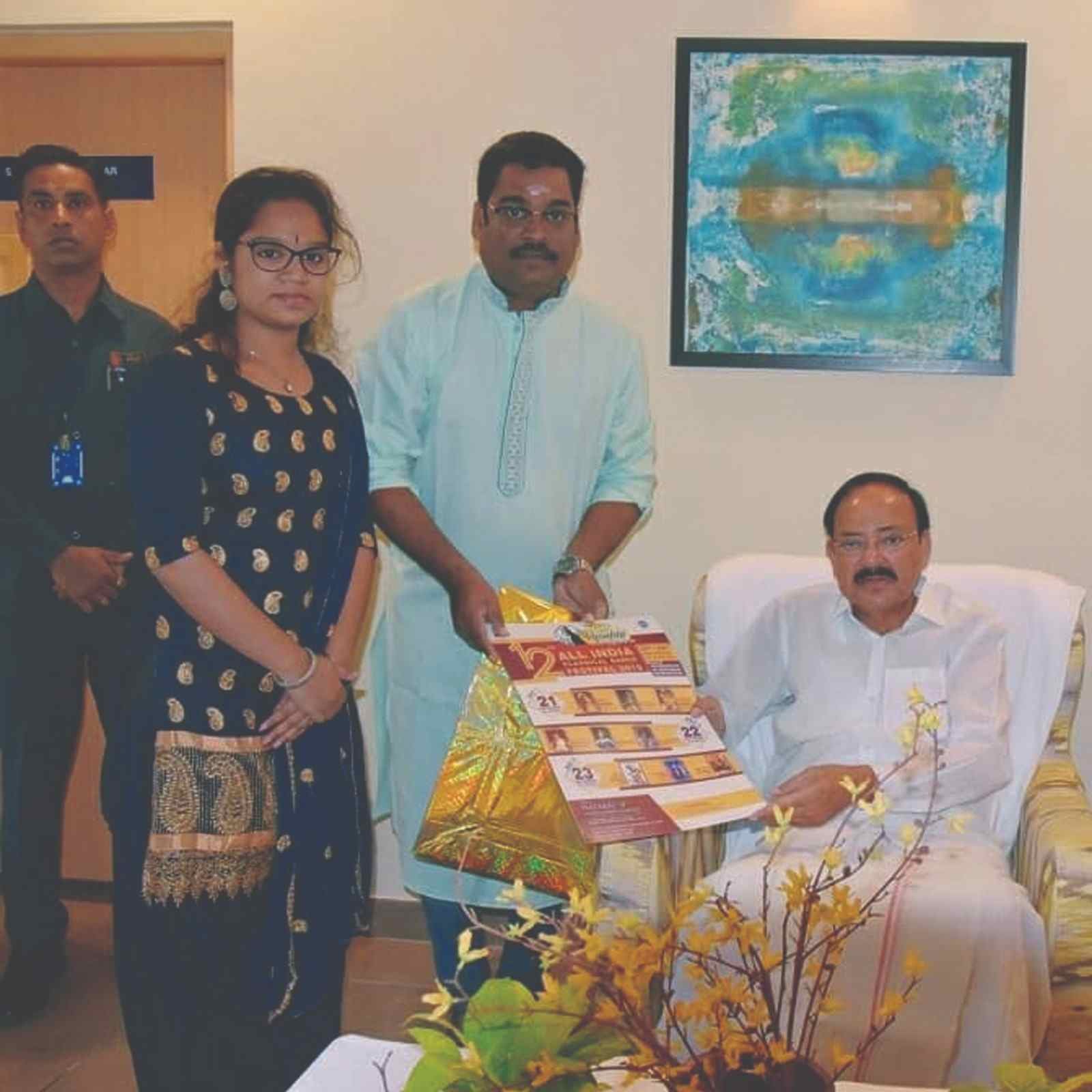
Founded in 2000, the academy represents an important stage in Vikram Kumar’s transition from an individual artiste into an institution builder and cultural organiser. Over the years, NMDA has developed activities covering dance education, music, cultural events, workshops, seminars, competitions and festivals.
Creating a Dedicated Cultural Platform
Vikram Kumar’s own artistic journey provided the foundation for the academy.
His association with Kuchipudi began during childhood, followed by formal education and extensive involvement in performance and theatre. He completed a Master of Arts in Kuchipudi with distinction from Andhra University and also studied acting and direction.
Through these experiences, he encountered different aspects of performing arts—from classroom training and research to theatre productions and stage performance.
The establishment of NMDA allowed him to take that experience beyond his own artistic career and create opportunities for others.
Training the Next Generation
A central objective of the academy has been to encourage disciplined and skilled practitioners of Indian performing arts.
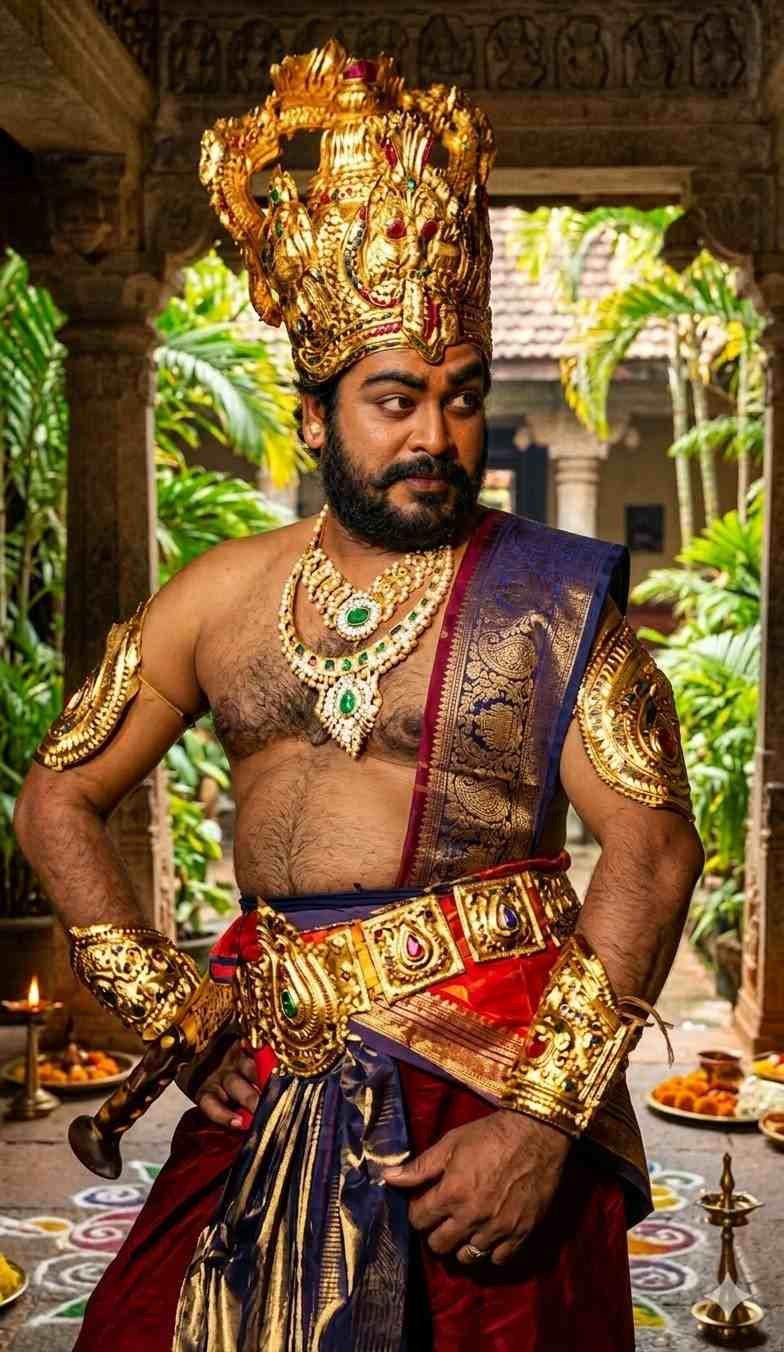
NMDA provides training in Kuchipudi, Indian folk traditions, Indian classical music and instrumental music.
This multidisciplinary approach reflects the interconnected nature of India’s traditional arts. Dance frequently depends on music, rhythm and literary traditions, while performers benefit from understanding the cultural background of the material they present.
For Vikram Kumar, training is therefore not simply about teaching movements. It is about creating practitioners who understand the discipline and responsibility associated with traditional performance.
Protecting Classical Forms Through Practice
One of the major concerns in cultural preservation is the possibility that traditional forms may gradually lose practitioners.
An art form can survive only when people continue to learn it, perform it and teach it.
NMDA’s work addresses this challenge by creating a structured environment in which students can receive training and participate in cultural activities.
The academy’s programmes have included workshops, seminars, competitions, festivals and cultural events, providing students and performers with opportunities to gain experience beyond regular classroom instruction.
From Training to Performance
Performance is an important part of an artiste’s development.
Students can learn technique in a classroom, but stage experience introduces additional challenges. Performers must understand timing, audience interaction, group coordination and the discipline required for live presentations.
Through cultural programmes and festivals, NMDA has created opportunities for artists to move from training to public performance.
This approach also helps audiences discover young performers who may eventually develop professional careers in Indian classical arts.
The Founder’s Broader Artistic Background
Vikram Kumar’s institutional vision is closely connected with his own multidisciplinary career.
In addition to Kuchipudi, he spent approximately a decade contributing to the Department of Theatre Arts at Andhra University, where he worked in mythological, social and philosophical productions.
He also conducted academic research into Siva Thandavam and Saptha Thandavam within the Kuchipudi tradition.
His experience across performance, research and theatre gave him a broader understanding of what is required to sustain an artistic ecosystem.
The academy became one of the ways in which this understanding could be put into practice.
Creating Cultural Events and Festivals
NMDA’s role has extended beyond formal training.
The academy has been associated with several festival initiatives designed to provide platforms for Indian classical dance.
These include Vysakhi Nrithyotsav, Bharat Nrithyotsav, Nataraj Nrithyotsav, Naatya Tharang Sangeeth Nrithyotsav, Sathyabhama Yuva Nrithyotsav and other cultural programmes.
Such festivals bring together established practitioners, emerging artistes and audiences.
They also provide opportunities for different Indian dance traditions to be presented within a common cultural environment.
A Platform for Established and Emerging Artists
One of the important features of a strong cultural institution is its ability to connect generations.
Established artistes possess years of experience, while young performers bring new energy and perspectives.
Vikram Kumar’s festival activities have sought to create spaces where these groups can interact.
Inviting senior artistes to cultural programmes can give younger performers the opportunity to observe high standards of technique and stage presentation. At the same time, providing platforms to emerging performers helps ensure that the cultural ecosystem continues to renew itself.
Taking Classical Arts Beyond a Single Audience
Another part of NMDA’s vision is outreach.
Indian classical dance can sometimes be perceived as an art form intended primarily for specialist audiences. Cultural institutions can help change that perception by taking performances to different venues and creating programmes that introduce wider audiences to traditional arts.
Vikram Kumar’s thematic productions, including Chenchu Lakshmi Narasimha Kalyanam, similarly reflect an interest in presenting classical dance through accessible narrative formats.
The production combines Kuchipudi with traditional folk forms and has reportedly been staged at more than 150 venues across India.
Institutional Discipline and Professional Standards
NMDA has also emphasised institutional standards.
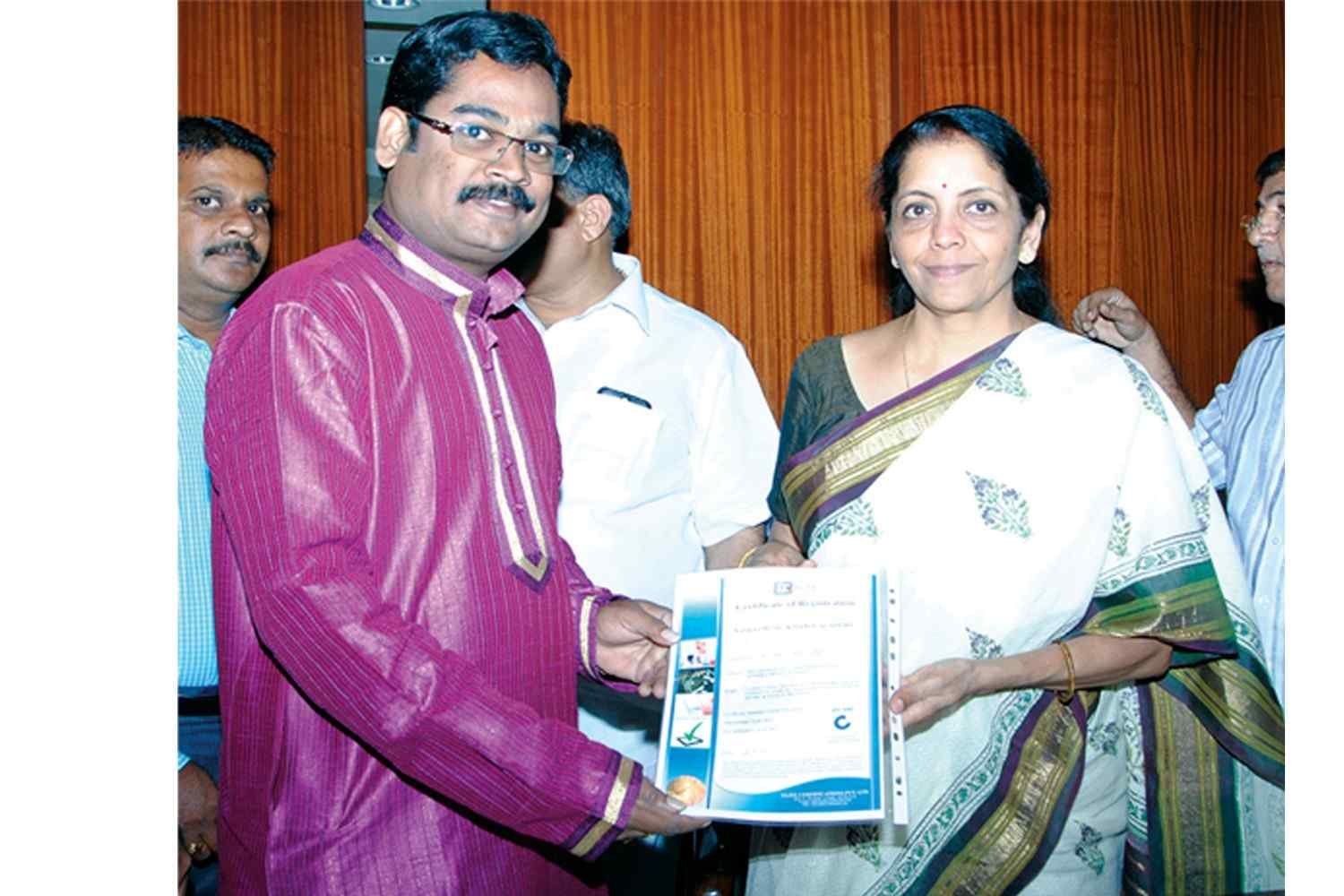
The academy is described as ISO 9001:2008 certified and as a member of the International Dance Council (CID) at UNESCO.
These affiliations and certifications have formed part of the academy’s institutional identity and reflect an effort to operate cultural activities through an organised framework.
For an institution working in traditional arts, professional administration can be as important as artistic expertise. Training schedules, events, performer coordination, documentation and communication all require consistent organisational systems.
Festivals as Cultural Education
A festival is not simply a sequence of performances.
For audiences, it can become an introduction to different dance forms. For students, it can provide exposure to experienced practitioners. For organisers, it creates opportunities to build relationships within the cultural community.
Vikram Kumar’s festival initiatives have therefore functioned as extensions of the academy’s educational mission.
They provide a setting in which the knowledge acquired through training can be experienced in a professional cultural environment.
Preserving the Larger Knowledge System
Vikram Kumar’s philosophy of preservation extends beyond physical performances.
He has emphasised the importance of preserving repertoire, literature, choreography, music, gurus, practitioners, performance practices and documentation.
This broader perspective is significant for an institution like NMDA.
Teaching dance without preserving its cultural context can leave future practitioners with only part of the tradition. A sustainable institution must therefore encourage students to understand where the material comes from and how it has been transmitted.
Encouraging Cultural Responsibility
Vikram Kumar has also raised concerns about artistic ownership and intellectual property in the digital era.
Choreography, music, photographs, articles, archival recordings and other creative material can be copied and reproduced without proper credit.
His advocacy for greater awareness of copyright and artistic ownership reflects a broader understanding of cultural responsibility.
An institution dedicated to classical arts can help cultivate not only performers but also practitioners who understand the importance of respecting artistic sources and acknowledging creators.
Two Decades and Beyond
Since its establishment in 2000, Nataraj Music and Dance Academy has become a central part of Vikram Kumar B R’s cultural activities.
The academy represents his transition from an individual performer to a person responsible for creating opportunities for a larger artistic community.
Its work in education, performance, festivals and cultural programmes reflects a long-term approach to preservation.
A Vision Larger Than One Institution
The significance of NMDA lies not simply in its existence as a dance academy.
It represents Vikram Kumar’s belief that classical arts require a complete ecosystem—teachers, students, performers, choreographers, organisers, researchers, institutions and audiences.
When these groups work together, traditional arts have a stronger possibility of surviving and developing.
Through Nataraj Music and Dance Academy, Vikram Kumar B R has sought to build precisely such an environment.
His journey demonstrates how an artiste can expand the meaning of cultural service: from learning an inherited tradition, to performing it, to teaching it, and finally to building institutions that help future generations continue the journey.
For Vikram Kumar, the academy is therefore not merely a training centre. It is part of a continuing cultural mission to protect India’s artistic heritage, develop new practitioners and ensure that classical traditions remain active and respected in the modern era.